Why Developers Love Linux: Tools, Customization, and Freedom

Why Developers Love Linux: Tools, Customization, and Freedom

*”What do SpaceX, Google, and 90% of the world’s cloud servers have in common? They all run on Linux—and there’s a reason developers overwhelmingly prefer it. This deep dive reveals how Linux transforms coding from a chore into a superpower, offering:

🔥 A weaponized toolkit – From instant package installations to containerized microservices
🎨 Total environment control – Mold everything from kernel modules to pixel-perfect window managers
⚡ Raw performance – Compile code faster, debug deeper, and automate everything

Whether you’re a JavaScript junkie tired of bloated IDEs or a systems programmer craving bare-metal access, discover why Linux isn’t just an OS—it’s the ultimate developer sidekick.”*

The Relationship Between Android and Linux: A Deep Dive

The Relationship Between Android and Linux: A Deep Dive

Android and Linux share a deep but often misunderstood relationship. While Android is built on the Linux kernel, it diverges significantly from traditional Linux distributions in architecture, software ecosystem, and user experience. This in-depth exploration reveals how Google modified the Linux kernel for mobile devices, why Android apps don’t run on standard Linux systems, and what makes Android’s approach unique. Whether you’re a developer curious about the technical underpinnings or a Linux enthusiast wondering about Android’s open-source credentials, this article provides valuable insights into one of technology’s most important collaborations.

Hardening Your Linux System: Essential Security Tips

Hardening Your Linux System: Essential Security Tips

*”Think your Linux system is secure by default? Think again. Cyberattacks target unpatched vulnerabilities, weak SSH configurations, and unnecessary services every day. This comprehensive Linux hardening guide gives you 12 actionable security measures—from locking down SSH and enforcing 2FA to configuring firewalls, encrypting disks, and implementing kernel protections. Whether you’re managing a mission-critical server or a personal workstation, these proven techniques will help you build an intrusion-resistant system that complies with enterprise security standards. Don’t wait for a breach to happen—start hardening today!”*

Setting Up a LAMP Stack on Ubuntu: Linux, Apache, MySQL, PHP

Setting Up a LAMP Stack on Ubuntu: Linux, Apache, MySQL, PHP

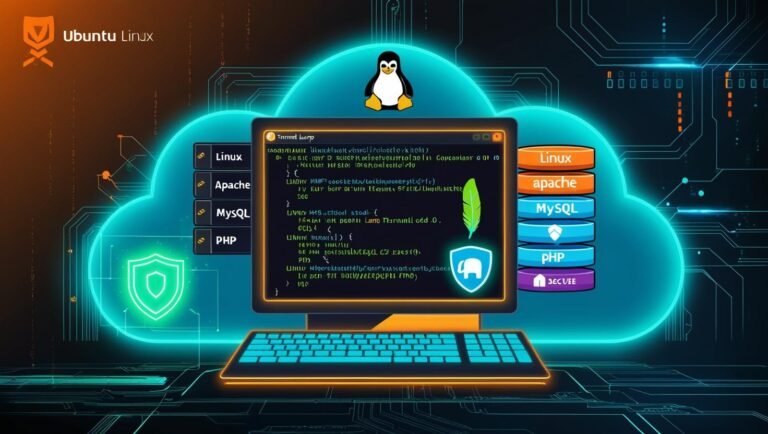
“Looking to build a powerful web server for hosting dynamic websites or applications? In this step-by-step guide, you’ll learn how to set up a LAMP stack (Linux, Apache, MySQL, PHP) on Ubuntu—one of the most reliable and widely used server environments. Whether you’re a developer, sysadmin, or hobbyist, we’ll walk you through installing and configuring each component, testing your setup, and securing your server for optimal performance. By the end, you’ll have a fully functional LAMP stack ready to deploy websites, WordPress, or custom web apps. Let’s get started!”

Package Managers in Linux: APT vs YUM vs Pacman vs Zypper

Package Managers in Linux: APT vs YUM vs Pacman vs Zypper

Linux package managers are the silent heroes of system maintenance—but which one reigns supreme? This guide breaks down:

✓ APT (Debian/Ubuntu) – Simple but powerful
✓ YUM/DNF (Fedora/RHEL) – Enterprise-grade reliability
✓ Pacman (Arch) – Blazing-fast and minimalist
✓ Zypper (openSUSE) – Advanced dependency resolution

Learn key commands, speed benchmarks, and which distro’s package manager best fits your workflow. Whether you’re fixing dependencies or optimizing updates, this is your cheat sheet for Linux software management.

Linux File System Esplained: From ext4 to Btrfs

Linux File System Esplained: From ext4 to Btrfs

Your Linux filesystem choice impacts everything from SSD lifespan to data recovery chances. This deep dive compares:

✓ ext4: The mature default (but stuck in 2008)
✓ Btrfs: Built-in snapshots & compression
✓ ZFS: Enterprise-grade integrity (RAM hungry)
✓ XFS: Best for large files

Includes benchmarks, corruption recovery tips, and when to reformat. Essential reading before installing Linux or building a NAS.

Top 10 Linux Distributions for Beginners, Developers, and Power Users

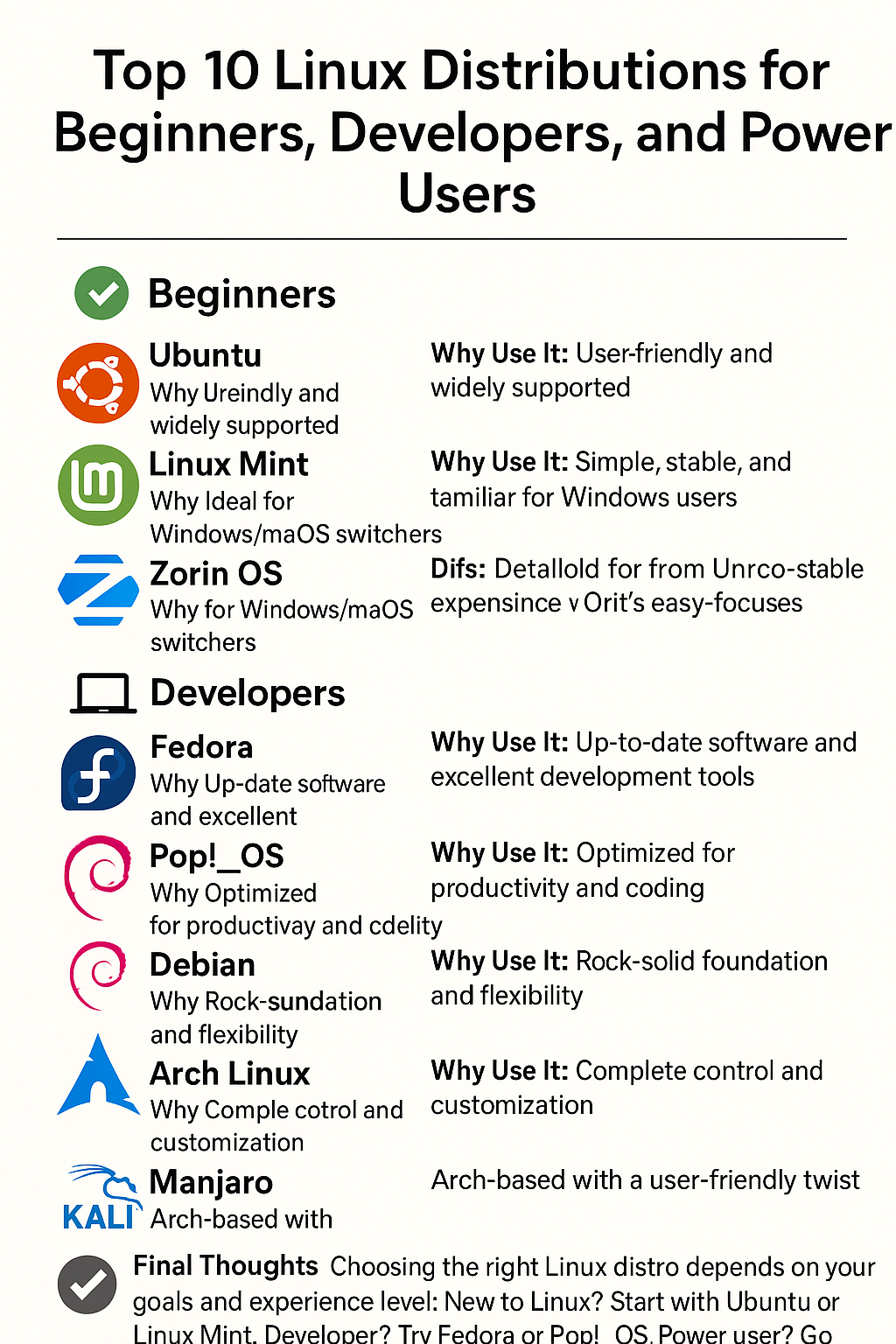
Top 10 Linux Distributions for Beginners, Developers, and Power Users

Decentralized Autonomous Organizations (DAOs) are revolutionizing how groups collaborate – but are they right for you? This guide breaks down:

✓ How DAOs replace traditional hierarchy with smart contracts
✓ Real-world examples from DeFi to NFT projects
✓ Critical risks like code exploits and governance attacks
✓ Step-by-step: Joining your first DAO safely

Whether you’re a crypto enthusiast or just Web3-curious, understand the promise and perils of this blockchain experiment before getting involved.