The secret linux tools big tech doesn’t want you to know
How Open-Source Hides Enterprise-Grade Tech From the Public
Linux and open-source software have always been about freedom, transparency, and community collaboration. But buried within the open-source ecosystem are powerful tools that rival—and often surpass—proprietary solutions from Apple, Microsoft, and Google.
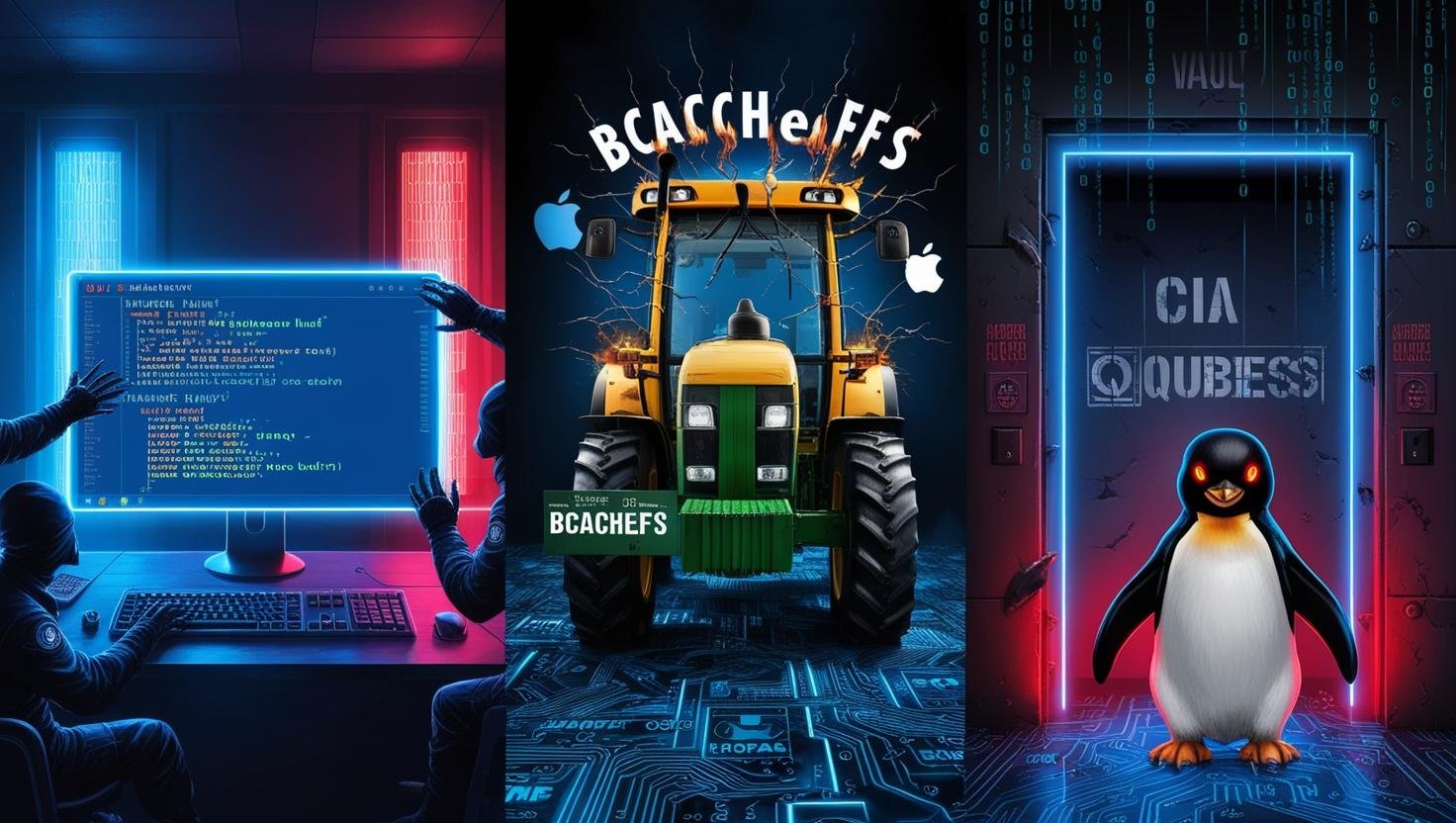
Some of these tools are so advanced that corporations would rather you didn’t know they exist. Whether it’s eBPF for stealthy malware detection, the ultra-fast Bcachefs filesystem, or the CIA-funded Qubes OS, these technologies prove that open-source can outperform closed ecosystems—if you know where to look.
In this article, we’ll expose the hidden Linux tools that Big Tech doesn’t advertise, and explain why they’re being kept quiet.
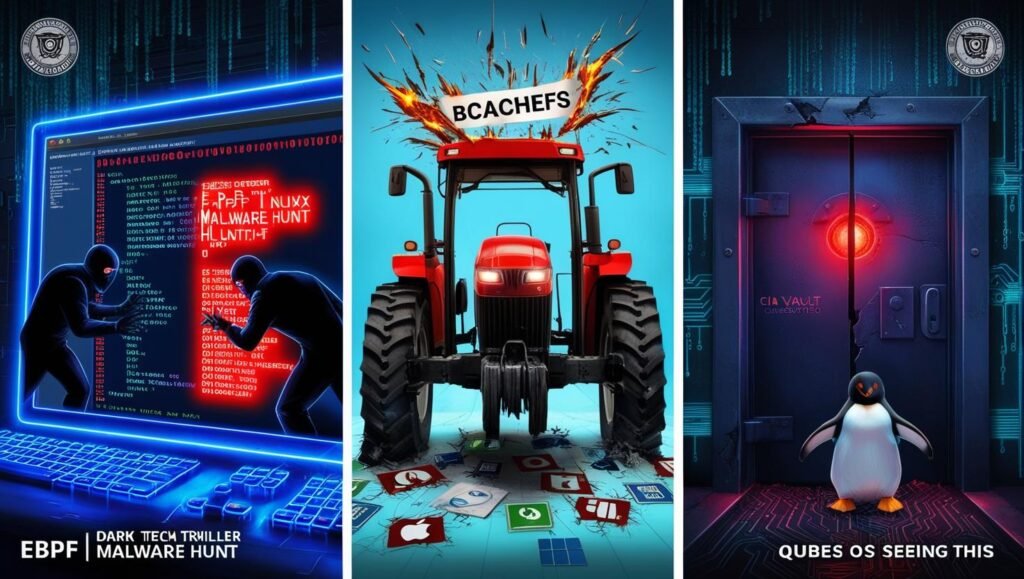
1. eBPF: The Silent Killer of Proprietary Security Tools
What Is eBPF?
Extended Berkeley Packet Filter (eBPF) is a Linux kernel technology that allows sandboxed programs to run at near-native speed without modifying kernel source code. Originally designed for networking, it’s now used for:
- Real-time malware detection (like a free CrowdStrike alternative)
- Performance monitoring (replacing DTrace and proprietary APM tools)
- Network filtering (better than many enterprise firewalls)
Why Don’t Microsoft & Apple Want You Using It?
Big Tech companies charge millions for similar functionality:
- Microsoft’s DTrace (Windows) is slower and less flexible.
- Apple’s Endpoint Security Framework is locked down and macOS-only.
- Cloud vendors (AWS, Google Cloud) sell eBPF-based security tools—but don’t advertise that you can run them yourself for free.
Example: Facebook uses eBPF for real-time DDoS protection—yet most companies pay for expensive solutions like Cloudflare.
2. Bcachefs: The Filesystem Apple & Windows Can’t Replicate
What Makes Bcachefs Special?
Bcachefs is a next-gen filesystem that combines:
- ZFS-like data integrity (checksumming, compression)
- Better performance than ext4 & Btrfs
- Built-in caching & tiered storage (like Apple’s Fusion Drive—but open-source)
Why Isn’t This Everywhere?
- Apple’s APFS lacks many of these features.
- Microsoft’s ReFS is Windows-only and rarely used.
- Big Storage Vendors (NetApp, Dell EMC) sell expensive proprietary alternatives.
The conspiracy angle?
- Intel & hardware vendors prefer selling Optane SSDs and custom RAID controllers rather than letting users get performance for free.
- Cloud providers make money on storage optimization tools—Bcachefs could reduce their margins.
3. Qubes OS: The $10M CIA-Funded Secure OS
What Is Qubes OS?
Qubes OS is a security-hardened Linux distro that uses Xen virtualization to isolate apps in separate “qubes.” Each qube runs in its own VM, making it nearly impossible for malware to spread.
Why Did the CIA Fund It?
- Snowden leaks revealed that the CIA used Qubes-like isolation for sensitive operations.
- It’s more secure than Windows & macOS (no single point of failure).
- Corporations & governments don’t want you knowing about it because it bypasses commercial security products.
Who Doesn’t Want You Using Qubes?
- Antivirus companies (McAfee, Norton) – Qubes makes most malware irrelevant.
- Microsoft (Windows Defender) – Their “secure OS” claims fall short.
- Apple (macOS Gatekeeper) – Qubes offers far stronger sandboxing.
4. Other “Hidden” Linux Tools Big Tech Fears
PipeWire: The Audio/Video System Apple & Microsoft Wish They Had
- Replaces PulseAudio & JACK with ultra-low-latency audio.
- Handles screen recording & video routing better than proprietary alternatives.
- Why don’t they want you using it? Companies like Adobe (Premiere Pro) and Apple (Logic Pro) sell expensive tools for this.
NixOS: The Unbreakable, Reproducible OS
- Every configuration is version-controlled (no more “it works on my machine”).
- Corporations hate this because it reduces dependency on SaaS config tools (like Ansible Tower).
Wayland: The Display Protocol X11 Doesn’t Want You Using
- More secure than X11 (no keyloggers via screen scraping).
- Nvidia & some DEs resist it because it breaks proprietary hacks.
Conclusion: The Open-Source Secrets They Keep Hidden
Linux isn’t just a free alternative to Windows or macOS—it’s a testing ground for technologies that surpass Big Tech’s offerings. Yet many of these tools remain underpromoted, underfunded, or actively suppressed because they threaten corporate profits.
Key Takeaways:
✔ eBPF is better than most paid security tools.
✔ Bcachefs outperforms Apple & Microsoft filesystems.
✔ Qubes OS is more secure than anything sold commercially.
✔ PipeWire, NixOS, and Wayland prove open-source innovates faster.
What’s the solution? Spread the word. The more people use these tools, the harder it becomes for corporations to keep them hidden.
Further Reading:
Did we miss any secret Linux tools? Let us know in the comments!